
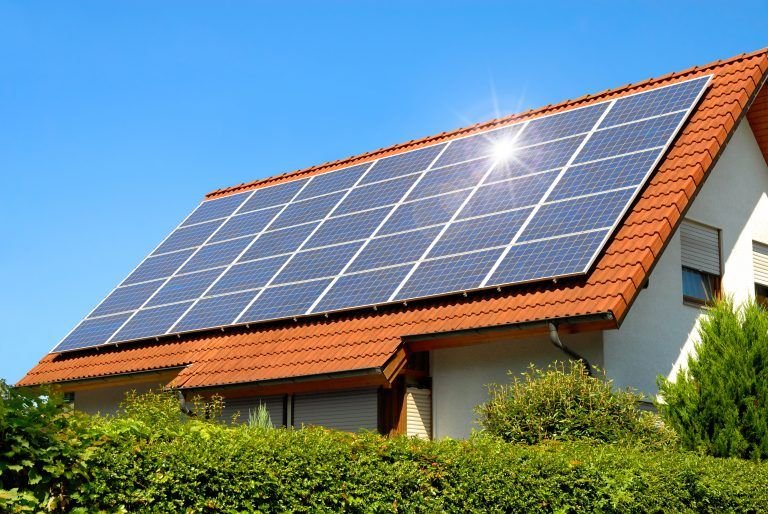

Solar Panel Price in India 2026 – Complete Cost Guide
Electricity bills in India have been climbing steadily for years, and more homeowners are now looking at solar power as a practical, long-term alternative. But before making the switch, the first question almost everyone asks is: what is the actual solar panel price in India, and is it worth the investment? This guide breaks down everything you need to know, from panel types and system sizes to subsidies and the real factors that affect your final cost.
Solar power is no longer a niche technology reserved for large industries or wealthy households. With falling equipment costs, improved financing options, and strong government support, an average Indian family can now install a rooftop solar system at a price that pays for itself within a few years. Understanding the cost structure properly helps you avoid overpaying and lets you choose a system that actually matches your household’s energy needs.
Why Solar Panel Price in India Matter More Than Ever
Over the last decade, grid electricity tariffs have increased almost every year in most Indian states, while solar equipment prices have dropped significantly due to better manufacturing technology and increased local production. This shift has made solar one of the few home investments where the cost keeps getting more favorable over time. Combined with subsidy support, the rooftop solar panel cost today is far more accessible than it was even five years ago.
Solar Panel Price in India by Panel Type
Polycrystalline Panel Price
Polycrystalline panels are made from multiple silicon crystal fragments melted together, which makes them cheaper to manufacture. They are a solid choice for homeowners on a tighter budget who have enough roof space to compensate for slightly lower efficiency. These panels typically have a bluish tint and are widely used in residential installations across smaller towns and cities.
Monocrystalline Panel Price
Monocrystalline panels are cut from a single silicon crystal, giving them higher efficiency and a sleeker black appearance. They generate more electricity per square foot, which makes them ideal for homes with limited roof space. While the upfront solar panel installation cost India / solar panel price in India for monocrystalline systems is somewhat higher, the higher energy output often makes up for the difference over the system’s lifetime.
Rooftop Solar Panel Cost by System Size
Choosing the right system size depends on your average monthly electricity consumption. Below is a general cost breakdown for common residential system sizes: solar panel price in India
| System Size | Approx. Cost Range | Monthly Units Generated | Ideal For |
|---|---|---|---|
| 1 kW | ₹55,000 – ₹65,000 | 120–140 units | Small homes, low usage |
| 3 kW | ₹1,60,000 – ₹1,90,000 | 360–420 units | Average family of 3–4 |
| 5 kW | ₹2,60,000 – ₹3,10,000 | 600–700 units | Larger homes, ACs included |
| 10 kW | ₹5,00,000 – ₹5,80,000 | 1200–1400 units | Villas, small businesses |
Note: These are estimated figures. Actual pricing depends on your city, chosen brand, roof structure, and the installer you select.
Solar Subsidy Scheme India – How Much You Can Save
One of the biggest advantages of installing solar in India today is the government’s PM Surya Ghar Muft Bijli Yojana, which offers direct subsidies to residential rooftop solar installations:
- 1–2 kW systems: ₹30,000 to ₹60,000 subsidy
- 2–3 kW systems: ₹60,000 to ₹78,000 subsidy
- Systems above 3 kW: a flat subsidy of ₹78,000
This subsidy directly reduces the effective solar panel price in India, often bringing down the payback period from 6–7 years to as little as 4 years. Many state electricity boards also offer additional net-metering benefits, allowing you to sell excess electricity back to the grid and earn credits on your bill.
Factors That Affect Solar Panel Price
Several elements influence the final quote you receive from an installer, and understanding them helps you compare offers more accurately:
- Panel type — monocrystalline vs polycrystalline
- Inverter quality and brand — string inverters vs microinverters
- Roof structure and installation complexity — flat roofs are usually cheaper to install on than sloped or shaded roofs
- Battery backup — adding storage significantly increases cost but provides power during outages
- Brand reputation and warranty period — established brands with longer warranties often cost more upfront but offer better long-term reliability
- Mounting structure material — galvanized iron structures are more affordable than stainless steel
Why 3kW Solar Panel Price Is the Sweet Spot for Most Homes
For an average Indian household with 3 to 4 members, a system in the 3kw solar panel price in india range tends to be the most practical choice. It generates roughly 300–350 units of electricity per month, which is generally enough to cover the typical consumption of lighting, fans, a refrigerator, a washing machine, and moderate air conditioning use. This size also qualifies for a strong subsidy percentage, making it one of the most cost-effective entry points into solar ownership.
Choosing the Best Solar Panel Brand India Has to Offer
While price is important, it shouldn’t be the only deciding factor. Look for brands with strong after-sales service, a proven track record in your region, and a minimum 25-year performance warranty on panels along with a separate warranty on the inverter. Reading verified customer reviews and checking installer certifications can save you from costly mistakes down the line.
FAQs
Q1. How long do solar panels last?
Most panels come with a 25-year performance warranty, and many continue producing usable electricity well beyond that.
Q2. Is installing solar panels profitable?
Yes, the investment typically pays back within 4–6 years after factoring in subsidies, after which electricity is essentially free for the remaining lifespan of the system.
Q3. Is maintenance expensive?
No, aside from periodic panel cleaning every few weeks and an annual professional inspection, solar systems require very little ongoing maintenance.
Q4. Can I install solar panels on rent?
No, subsidy schemes typically require proof of home ownership, though some private financing and leasing models are emerging in urban markets.
